Every student applying to top universities has the scores. The ones who get in can talk for 20 minutes about something they built with their own hands. I work with you one-on-one to build that project and learn to talk about it in a way people remember.
Whether it's a university interview, a startup accelerator, or a first job, the question that matters is always the same: what have you done? Grades prove you can study. Building something proves you can think, execute, and handle things going wrong.
Most young people don't have an answer to that question. They have certificates, club titles, maybe a Vice President role in something that meets twice a term. Everyone's CV starts to look the same, and none of it shows who you really are or what you're capable of when it counts.
What most students do
More certificates, another club, another line on the CV that looks like the line above it. None of it sticks in anyone's memory.
What sets you apart
A project you can pull up on your phone and demo live. Twenty minutes of "here's what I built, here's why, here's what went wrong." That's what people remember about you.
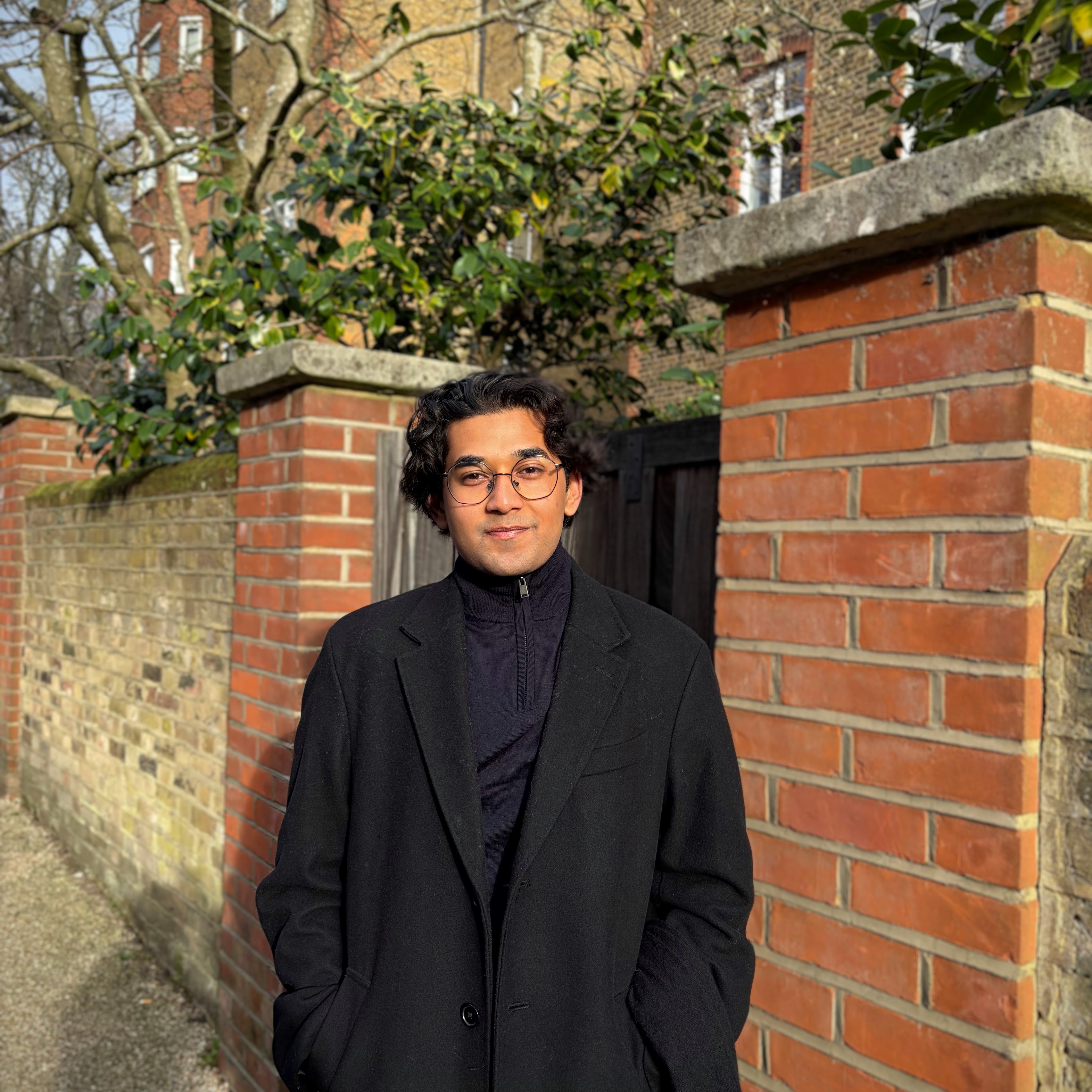
I studied Physics at Imperial College London and I've been building things for the past five years. AI apps that won hackathons, energy platforms that secured small investments, products that got real users. Some worked, some didn't, and all of them taught me more than any lecture ever could.
I built the Customer Success function at Metris Energy after graduating (Nov 2025-Apr 2026), and now I'm building Candela to help young people become more attractive to employers and do what they love. I started First Ascent because the gap between figuring this stuff out at 16 versus 22 is enormous, and I wish someone had shown me this earlier.
Learn more about me →
Being honest, I was overwhelmed and lost but I never gave up. Since I met Aryan I felt like we got to know each other on a deep level, and it was reassuring to hear that somebody who has accomplished as much as he had also faced and overcame major drawbacks in his life too. Being able to develop a roadmap for what I want to accomplish made everything look more realistic, less delusional, and was like an anvil being lifted off my back. My work has vastly been improving because of it.
Matthew Jackson
2nd Year Geophysics, Imperial College London
We have a conversation about what you're interested in, what kind of future you're working toward, and whether you've thought about building anything before. You'll leave with a clear direction even if we never speak again.
A paid 60-minute session where we map your strengths against problems worth solving, narrow down to three project directions, and write out a concrete 12-week roadmap. The document is yours to keep whether you continue or not.
60 minutes every week for 12 weeks. Some sessions we're deep in the weeds, talking to users, debugging what isn't working. Other weeks we zoom out and think about positioning and how the project fits your broader story.
The project is live. Now you need to be able to talk about it well. We work on how you explain what you built, what went wrong, what you learned. So when someone asks, you don't fumble through it. You just talk.
The first step is always a conversation. 30 minutes, no obligation, and you'll walk away with something useful regardless.
Book a free discovery call →Every engagement starts with a free call. After that, you decide how far you want to take it.
We talk about where you are, where you want to go, and whether working together makes sense.
A focused session on who you are and what's worth building. You leave with a written plan.
We go from nothing to a shipped project and a story you own.
You already know your child is capable. The concern isn't whether they're smart enough. It's whether their application looks like everyone else's. And right now, it probably does. Top universities receive thousands of applications from students with near-identical marks, and the admissions process has become a question of "what else?"
This programme gives your child a real answer to that question. They build a genuine project, with guidance from someone who's been through the same process and works in startups today. It runs alongside their academics, about five hours a week, mostly weekends, and we schedule everything around exam periods so their schoolwork never suffers.
Not another extracurricular line on a form. A project they built themselves that they can walk through in any interview because they lived every part of it.
An Imperial graduate who's been building projects for five years and now works in startups. Someone who's done this, not a textbook tutor running someone else's formula.
About five hours a week, mostly on weekends. We pause during exam periods and pick back up afterward. Their grades come first, and the thinking skills carry over into academic work too.
Problem-solving, clear communication, working through ambiguity, learning to ship something when it isn't perfect. These are the same skills that matter in university, in jobs, and in anything they do after this.
That's fine, and most ideas people walk in with aren't great anyway. The first few weeks are about learning to notice problems worth solving. Real things that bother real people, not the kind you invent for a school project. You don't need a pitch deck to start. You just need to start paying attention differently.
Neither could I when I started building things. Some of the strongest student projects I've seen involved no code. There are no-code tools that handle the technical side, and plenty of impressive work isn't software at all. The point is to solve a real problem and prove you can think through something difficult from start to finish.
The programme takes about five hours a week, mostly on weekends, and we schedule everything around your exam calendar rather than the other way around. The kind of thinking you do here transfers directly into better academic performance. Breaking down problems, structuring arguments, explaining your reasoning clearly. The kind of structured thinking you practise here shows up in essays, problem sets, and exam technique too.
Think about every conversation you'll have in the next few years where someone asks what you've done. University interviews, internship applications, even just meeting someone at an event. Most young people list the same clubs and awards. You walk in and show something you built, talk about what went wrong in week 6 and how you worked through it. That's a different kind of person, and it's the one people remember.
Tutors help you pass exams. Consultants polish what already exists. I'm helping you build something worth talking about in the first place. The skills you develop here, problem-solving, clear thinking, shipping something, carry into everything else you do afterward.
That's what the free call is for. We'll spend thirty minutes talking through where you are and what you're trying to do, and I'll be honest about whether I think I can help. If it's not the right fit, I'll tell you that. You'll still leave with something useful.
Thirty minutes where you can ask me anything you want, and I'll ask you a few things too. By the end we'll both know whether this is the right move.
Book a free discovery call →Or email me directly: aryankhedkar100@gmail.com
Not ready yet? Read the Project Playbook first.